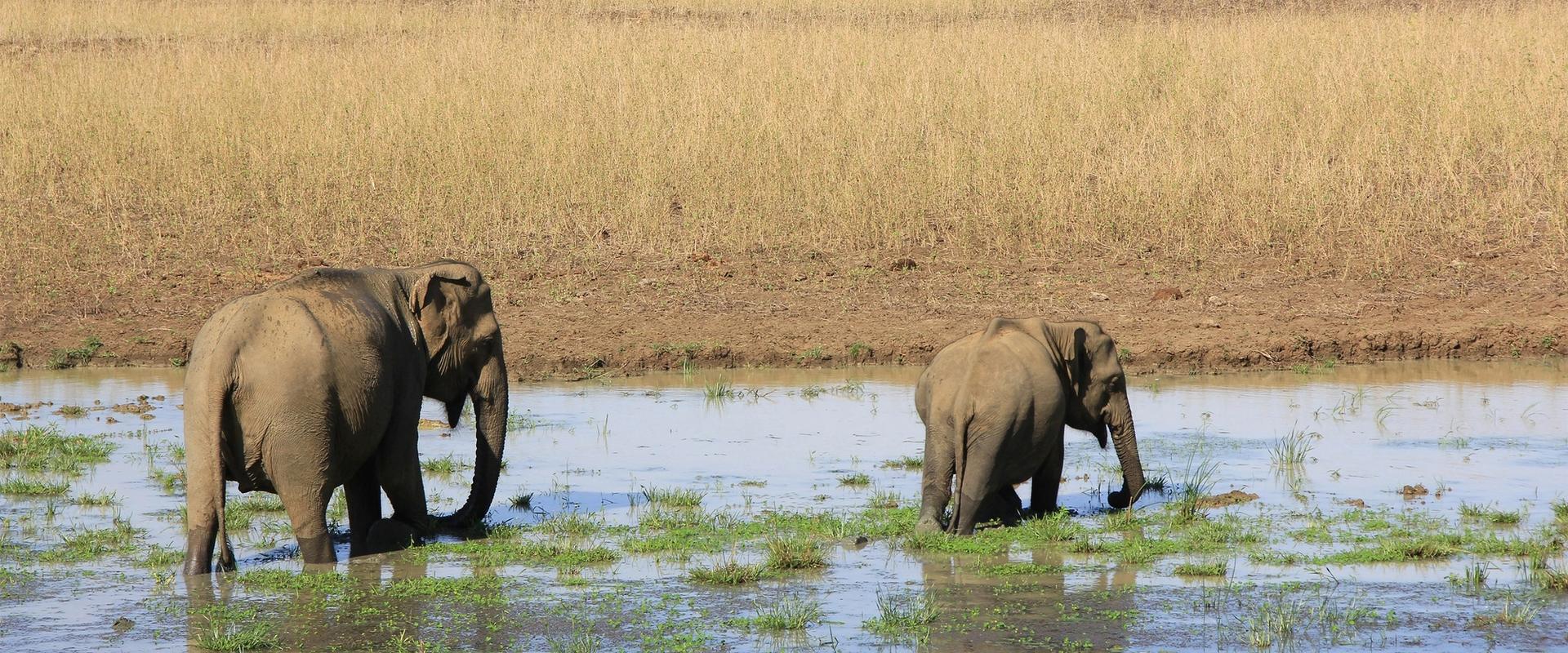
Yala National Park
Yala National Park delivers raw safari action with wild leopards, roaming elephants, and coastal jungle landscapes. It’s Sri Lanka’s most thrilling wildlife experience.
Visitor Photos
Yala National Park, Sri Lanka: The Complete Guide
You come to Yala for one thing. Wildlife. Real, raw, close-up wildlife.
Yala National Park sits in Sri Lanka’s southeast corner, where dry forest meets open grassland and the Indian Ocean crashes into wild beaches. It’s the country’s most visited national park. It also has one of the highest leopard densities in the world.
If you want the straight facts, practical tips, and what actually matters in 2026, this guide gives it to you.
Why You Should Visit Yala
Yala covers nearly 979 square kilometers across five blocks. Most safaris happen in Block 1. That’s where you see the most animals.
You don’t just drive around hoping. You see things. Often within the first hour.
In 2024, Sri Lanka recorded over 1.5 million tourist arrivals according to the Sri Lanka Tourism Development Authority. A large share of those visitors included Yala in their itinerary. By 2025, safari bookings during peak season often sold out days in advance.
What You’ll See
Yala protects 44 mammal species and over 200 bird species.
Here’s what that means for you:
- •Sri Lankan leopard
- •Asian elephant
- •Sloth bear
- •Mugger crocodile
- •Wild boar
- •Spotted deer
- •Jackals
- •Peacocks everywhere
The Sri Lankan leopard is the star. Experts estimate Block 1 holds one of the world’s densest leopard populations, with roughly one leopard per square kilometer in prime habitat zones.
Dr. Prithiviraj Fernando of the Centre for Conservation and Research has said, “Yala plays a critical role in conserving Sri Lanka’s top predator in a landscape under increasing human pressure.” That matters. You’re not just on a safari. You’re inside an active conservation zone.
The Leopard Factor
Why Yala Is Famous for Leopards
The Sri Lankan leopard is a subspecies found nowhere else. It sits at the top of the food chain here. No lions. No tigers. Just leopards ruling the landscape.
In many African parks, leopards hide. In Yala, they often walk the tracks in daylight. That visibility built Yala’s global reputation.
You’ll likely see safari jeeps cluster around a sighting. That’s the reality in 2026. The park limits vehicle numbers per session, but peak season still feels busy.
When You Have the Best Chance
Visit during the dry season from February to July. Water levels drop. Animals gather around tanks and lagoons. Sightings increase.
Early morning safaris between 6 am and 10 am deliver the highest success rates for leopards and sloth bears.
If you want fewer crowds, avoid April school holidays and long weekends.
Landscape and Ecosystems
Yala is not just forest.
It blends:
- •Dry monsoon forest
- •Grasslands
- •Freshwater lakes
- •Coastal lagoons
- •Sand dunes
- •Rocky outcrops
The coastline runs about 65 kilometers along the park’s boundary. Yes, you can see elephants near the beach. It feels unreal.
The 2004 Indian Ocean tsunami hit Yala hard. Over 250 people died inside the park. Since then, authorities rebuilt infrastructure with better planning and stronger safety systems. Today, you see little visible damage, but the history remains part of Yala’s story.
History of Yala National Park
From Hunting Ground to Protected Land
The British declared the area a wildlife sanctuary in 1900. In 1938, they designated it as one of Sri Lanka’s first national parks.
Before that, royalty used this region for hunting.
After independence, Sri Lanka expanded protection and research programs. The Department of Wildlife Conservation now manages Yala and enforces conservation laws.
Conflict and Recovery
From the 1980s to 2009, parts of Yala closed due to Sri Lanka’s civil conflict. After the war ended in 2009, tourism surged.
Between 2022 and 2023, Sri Lanka faced an economic crisis. Tourism dropped, then rebounded sharply in 2024 and 2025. Yala felt that recovery fast. Safari jeep operators expanded again. Luxury eco-lodges reopened and upgraded.
How to Plan Your Visit
Getting There
You reach Yala from:
- •Colombo, about 5 to 6 hours by car
- •Ella, about 2 hours
- •Tangalle, about 2 hours
Most visitors combine Yala with Ella or Udawalawe National Park.
Private car transfers cost more but save time. Public buses reach Tissamaharama, the main base town, but travel takes longer.
Where to Stay
You stay in Tissamaharama or near Palatupana gate.
Options range from budget guesthouses to high-end safari lodges. In 2025, eco-lodges invested more in solar power and waste management due to rising sustainability demands.
Book early in peak season. Don’t wing it.
Safari Options Explained
Morning vs Afternoon
Morning safari
Better for leopards and bears
Cooler weather
Higher demand
Afternoon safari
Good for elephants
Great sunset light
Hotter
Each session lasts about 3 to 4 hours.
Private vs Shared Jeep
Private jeep
More expensive
Flexible
Better for photographers
Shared jeep
Cheaper
Less control
Still effective
In 2026, average prices range from 8,000 to 15,000 LKR per person for shared safaris, and significantly higher for private full-vehicle bookings. Park entry fees remain separate.
Conservation and Real Challenges
Yala’s popularity creates pressure.
Too many jeeps stress wildlife. Social media increased demand for close leopard shots. Authorities now fine drivers who crowd animals or break distance rules.
The World Wildlife Fund continues to emphasize responsible tourism across Sri Lanka’s protected areas.
You can help by:
- •Choosing ethical operators
- •Refusing drivers who chase animals
- •Avoiding loud behavior
- •Not feeding wildlife
This park survives because people respect it.
Interesting Facts You Probably Didn’t Know
- Yala has ancient ruins scattered inside the forest, including Buddhist monasteries over 2,000 years old.
- The park protects six endemic bird species.
- Sloth bears feed heavily on palu fruit during June and July. That’s prime bear season.
- Yala borders Kumana National Park, famous for migratory birds.
- Some leopards in Yala have become globally recognized through wildlife documentaries.
Travel Tips That Actually Help
Book Smart
Book your safari at least two days in advance during peak months. Confirm your jeep license. Ask about maximum passenger count.
Go Early
Wake up. Yes, it’s painful. But morning drives improve your odds dramatically.
Dress Right
Wear neutral colors. Bring a hat. Bring water. It gets hot fast.
Bring the Right Gear
A camera with zoom helps. Binoculars help more. Sunscreen is not optional.
Manage Expectations
You are not in a zoo. Wildlife moves. Sometimes you wait. Sometimes nothing appears for an hour. Then suddenly, a leopard walks across the road.
Stay patient.
Frequently Asked Questions
1. What is the best month to visit Yala National Park?
February to July offers the best wildlife sightings due to dry conditions.
2. How much does a Yala safari cost in 2026?
Expect to pay park entry fees plus 8,000 to 15,000 LKR per person for shared safaris. Private options cost more.
3. Can you see leopards in Yala?
Yes. Yala has one of the highest leopard densities in the world. Sightings are common in Block 1.
4. Is Yala crowded?
During peak season, yes. Authorities now regulate jeep numbers to reduce congestion.
5. How many hours should you spend in Yala?
One safari gives you a strong experience. Two safaris improve your chances significantly.
6. Is Yala safe?
Yes. Follow park rules and listen to your guide. Do not exit the jeep.
Top Sources
Ready to Explore More of Sri Lanka?
Discover more incredible destinations and plan your perfect trip