Jaffna
Sri Lanka's Tamil cultural capital sits at the island's northern tip — a city of ancient temples, Dutch fortifications, lagoon islands, and a cuisine entirely its own.
Best Time to Visit
May to September (Southwest Monsoon bypasses the north — dry and hot but very manageable)
Location
View on Google MapsVisitor Photos
Jaffna: Where Sri Lanka Tells a Different Story
Most visitors arrive in Sri Lanka and head south or into the hill country. Jaffna rewards those who go the other way entirely. Sitting at the very top of the island, separated from the rest by the Vanni plains and a complicated recent history, Jaffna feels — deliberately, proudly — like nowhere else in Sri Lanka. The language is Tamil, the temples are Hindu, the food is built around palmyra palms and lagoon crab, and the architecture shifts between Dutch colonial stonework and brightly painted gopurams. Coming here isn't just adding another stop to your itinerary. It's encountering a distinct civilization.
What to See and Do
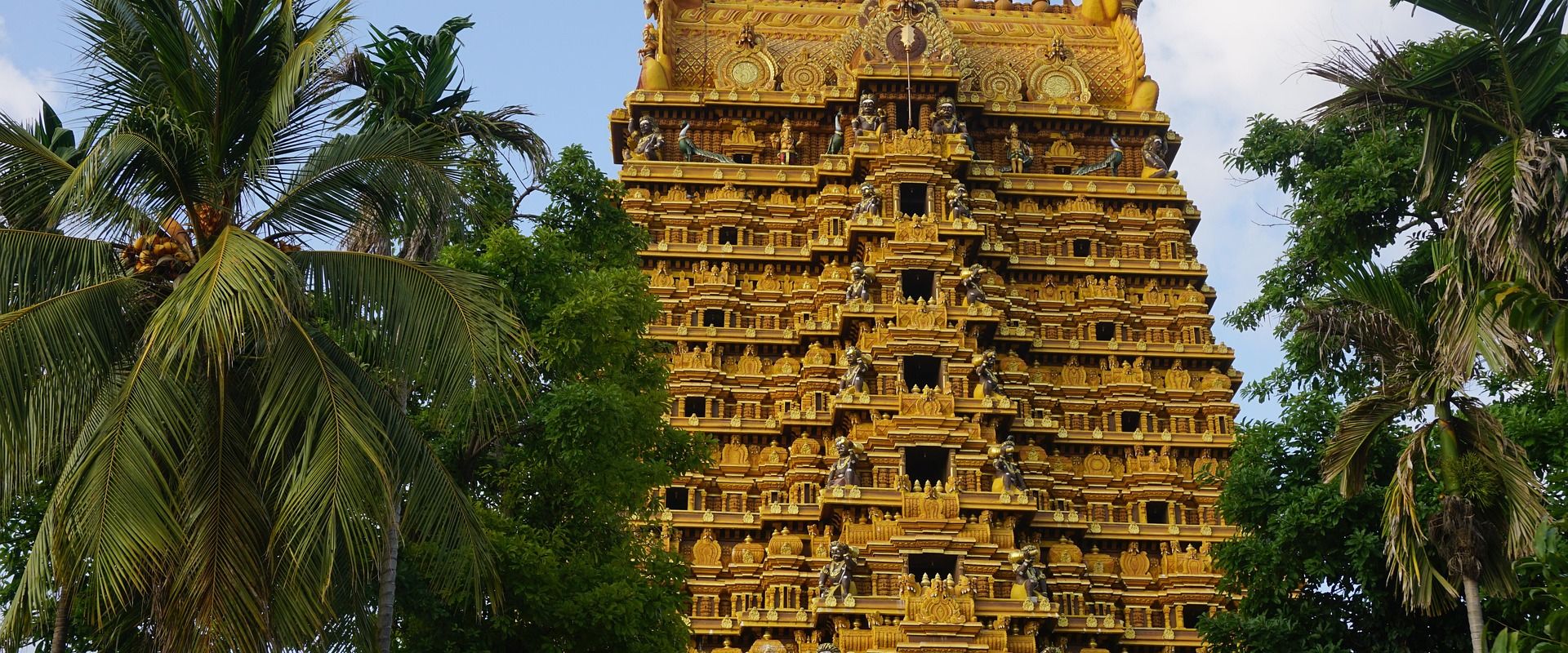
The spiritual and visual center of the city is Nallur Kandaswamy Kovil, a towering Dravidian-style temple dedicated to the god Murugan. The golden gopuram at the entrance is visible from blocks away, and the atmosphere inside — incense smoke, devotees moving barefoot across warm stone, the rhythmic sound of temple drums — is genuinely moving. Remove your shoes at the entrance (sarongs are available to borrow) and give yourself at least an hour here. During the 25-day Nallur Festival in July and August, the temple draws hundreds of thousands of pilgrims and is one of the great religious spectacles in South Asia.
Jaffna Fort sits at the lagoon's edge and is among the best-preserved Dutch colonial fortifications in Asia. You can walk the full perimeter of its grass-covered ramparts, peer into the old church inside its walls, and look out across the water toward the islands. It's a quietly powerful place, especially in the late afternoon light.
From the Kurikadduwan jetty, boats make the short crossing to Nainativu Island, home to both a Hindu temple and a Buddhist shrine that sit in peaceful proximity — an unusual combination that tells you something about this part of Sri Lanka. Arrive early to beat the crowds on weekends.
The Jaffna Public Library, burned in 1981 and rebuilt after the war, holds obvious emotional weight for Tamil Sri Lankans. The pale blue building beside the lagoon is worth visiting not just for its symbolism but for its reading rooms and rotating cultural exhibitions.
Food, Practicalities, and Getting Around
Don't leave without eating properly. Jaffna's cuisine is sharper and more intensely spiced than what you'll find further south. Jaffna crab curry— blue swimmer crab in a dark, fiery gravy — is the dish to seek out, best eaten at no-frills local restaurants rather than tourist spots. Palmyra products are everywhere: toddy, jaggery, and a local ice cream called palmyra ice that's worth tracking down.
Jaffna's sights are spread across the city and its lagoon islands, so hiring a tuk-tuk driver for the day (easily arranged at your guesthouse) makes more sense than trying to walk between them. Accommodation ranges from small family guesthouses to mid-range hotels; standards have risen significantly as tourism has recovered. Two full days is a realistic minimum — enough to see the main sights and make the Nainativu boat trip — though the city rewards a longer stay if you have the time.
Ready to Explore More of Sri Lanka?
Discover more incredible destinations and plan your perfect trip