Galle
You’re heading to Sri Lanka’s historic south coast. Galle draws interest for its old fortress, lively seaside, and easy access to beaches, villages, and surf towns outside the city.
Best Time to Visit
Sunrise and Sunset
Location
View on Google MapsGalle Travel Guide
You’re heading to Sri Lanka’s historic south coast. Galle draws interest for its old fortress, lively seaside, and easy access to beaches, villages, and surf towns outside the city. In this guide, you’ll get clear facts, travel tips, and details that help you plan your visit with confidence.
What Is Galle and Why Visit
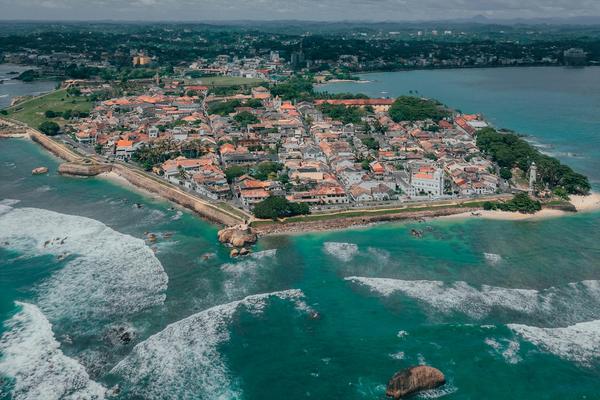
Galle sits on Sri Lanka’s southwest coast. It’s one of the island’s oldest ports and today blends centuries‑old European colonial architecture with local Sri Lankan culture. Travelers come for:
- •A UNESCO World Heritage site: Galle Fort
- •Strong tourism rebound in 2024–25, with Sri Lanka seeing around 2–2.3 million visitors per year and continuing growth into 2026
- •Easy access to beaches, local life, and heritage experiences
The city’s strategic southern coast location also makes it a base for day trips to Unawatuna, Hikkaduwa, Koggala, and other beach towns. That gives you both culture and relaxation in one itinerary.
History of Galle
Galle’s story matters because it helps you understand how the town works today — its layout, buildings, and identity.
Ancient Origins
Galle began as a South Asian port centuries ago. Portuguese explorers arrived here in the late 1500s and built a fort shortly after. That structure marked the start of Galle as a fortified trading hub.
Dutch Expansion
The Dutch took over in the early 1600s, expanding the fort and making Galle one of the most important trading centers in the Indian Ocean. The walls you see today were built or reinforced during this period.
British Rule and Modern Era
Later, the British controlled Galle and used it as a regional administrative center until Sri Lanka’s independence in 1948. The colonial influence left a lasting mark on architecture, urban layout, and community life.
Today, Galle Fort stands as a UNESCO World Heritage site. You walk it and still see Portuguese, Dutch, and British influences woven into the city fabric.
What to See and Do
Galle’s biggest strength is its walkable, layered experiences. You explore history at one corner and beach culture at another.
Galle Fort (Core Experience)
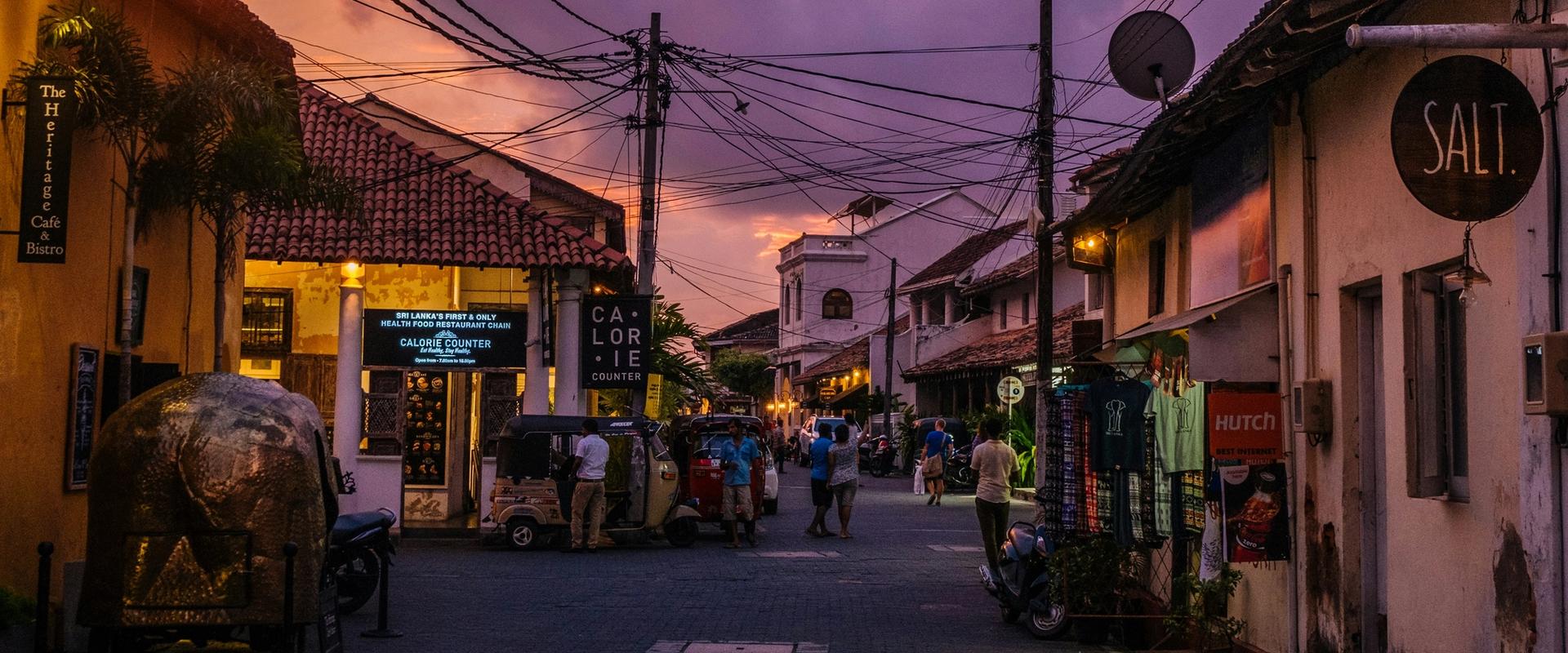
Galle Fort is a living city inside thick stone walls that face the Indian Ocean. You’ll walk cobblestone streets, find cafés in colonial buildings, and look out over the sea from the ramparts.
Highlights Inside the Fort
- •Galle Clock Tower – Built in 1883 to honor a local doctor, still a central landmark in the fort
- •National Museum of Galle – Displays local history across Portuguese, Dutch, and British periods
- •National Maritime Museum – Set in a 1671 Dutch warehouse with exhibits on naval archaeology and history
- •Old Dutch Hospital – One of the oldest buildings, now a social spot for eating and shopping
- •Meeran Jumma Mosque – Elegant early 20th‑century mosque mixing Victorian and Islamic architecture
Exploring the fort takes time because it’s still a living town. You’ll find shops, restaurants, galleries, and residential lanes all around the core attractions.
Sunrises, Sunsets, and Sea Views
One unique feature of Galle Fort is that you can often see both sunrise and sunset from the same vantage point, thanks to the geometry of the walls facing the water .
Coastal and Nearby Spots
Galle isn’t just the fort walls:
- •Unawatuna – A popular beach for swimming and sea food
- •Hikkaduwa – Known for surfing and coral reefs
- •Koggala – A quieter area with lagoons and nature spots
- •Ahangama and Weligama Bay – Growing surf and design communities around the southern coast
Practical Travel Tips
Here’s what you need to know to make your visit smooth and enjoyable.
When to Go
Sri Lanka generally has peak tourism from November to March in the south. Expect good weather and lively beaches, though a monsoon period around August brings more rain and rougher seas in some coastal areas.
If you’re traveling in late 2025 or early 2026, the southern coast was largely unaffected by Cyclone Ditwah, even though other parts of Sri Lanka faced disruption late in 2025 .
Entry and Visas
Sri Lanka has extended its visa‑free travel policy to 40 countries, including India, making travel more convenient for many visitors .
Getting Around
Galle itself is walkable, especially inside the fort. For day trips, tuk‑tuks, local buses, and private drivers are common. Renting a scooter or bike is another flexible option.
Accommodation
You’ll find a range of stays in and around Galle:
- •Boutique guesthouses inside Galle Fort
- •Beachfront villas in Unawatuna or Koggala
- •Mid‑range hotels just outside the old town
Keep in mind that peak season (December through February) fills up quickly.
Money and Prices
Sri Lanka’s tourism industry has rebounded with strong growth in arrivals from 2024 to 2025 . That means popular spots like Galle sometimes feel busier and slightly more expensive than inland towns, though prices still tend to be lower than in Western Europe or North America.
Safety and Cleanliness
Galle is generally safe for travelers, but be aware that waste management challenges and crowding in high‑traffic areas can affect your experience. Locals and officials continue work to improve sanitation and infrastructure around key tourist spots .
Interesting Facts About Galle
These are real details you don’t always see in standard guides.
- •The Galle Clock Tower was funded by local residents and built to honor a physician who served the southern province .
- •Most of the museums inside the fort are housed in restored Dutch buildings dating back to the 17th century or earlier .
- •Galle remains a working city, not just a museum: people live and work inside the fort walls, giving it a lived‑in feel that’s hard to replicate.
Sample Day in Galle
Morning: Walk the fort ramparts at sunrise, then visit the National and Maritime museums.
Lunch: Eat at a local café inside the fort, trying Sri Lankan fish curry or hoppers.
Afternoon: Head to Unawatuna beach or a tuk‑tuk to Hikkaduwa for waves and coral snorkeling.
Evening: Return for sunset on the fort wall, then dinner at a seaside restaurant.
FAQ
1. Is Galle worth visiting in 2026?
Yes. It remains one of Sri Lanka’s most popular heritage destinations, with strong visitor numbers into 2025 and continued tourism growth in 2026 .
2. Do you need a guide in Galle Fort?
Not strictly, but a guide helps explain the layers of history behind the buildings and streets.
3. What language do people speak in Galle?
Sinhala is the primary language, but English is widely understood in tourist areas.
4. Is Galle safe after the cyclone in late 2025?
Yes. The southern coast around Galle and Mirissa wasn’t significantly impacted, and daily life and tourism continued normally .
5. Can you see both sunrise and sunset from the fort?
Many travelers report this experience due to the orientation of the walls and viewpoints
Sources
Explore Galle
1 destination in this area
Ready to Explore More of Sri Lanka?
Discover more incredible destinations and plan your perfect trip